How Carpenter Bees Damage Your Fascia and Soffit
Carpenter bees are one of the most destructive wood-boring insects in the United States, and Chattanooga homeowners face them every spring and summer. Unlike termites, carpenter bees don't eat wood, but they tunnel through it to create nesting galleries. Your fascia and soffit boards are prime targets because they're exposed, relatively soft, and often made of pine or cedar that bees find easy to bore through.
A single carpenter bee can create a hole up to half an inch in diameter, and if you have multiple bees returning to the same area year after year, the damage compounds rapidly. What starts as a few small holes becomes a honeycomb of tunnels that weakens the structural integrity of your roofline. The real danger comes after the bees leave. Those perfectly round entrance holes act like open doors for water, insects, and fungal spores. Once moisture penetrates the wood, Wood Rot & Dry Rot Repair becomes necessary, and the cost of fixing rot damage far exceeds the cost of preventing it in the first place.
Why Moisture Follows Carpenter Bee Damage
Chattanooga's humid subtropical climate makes wood rot almost inevitable once carpenter bees have compromised your fascia. The area receives significant rainfall throughout the year, and the warm, damp conditions create the perfect environment for fungal growth. When carpenter bee holes go unrepaired, rainwater seeps into the wood, and the damage accelerates rapidly.
Fascia boards are especially vulnerable because they're horizontal or slightly angled, which means water pools and sits rather than running off. Once moisture enters the wood grain, it activates dormant fungal spores and creates conditions for dry rot to develop. Dry rot (also called brown rot) is particularly destructive because it can spread to adjacent framing members, including rafters, soffits, and even the underlying roof structure. What began as a cosmetic pest problem becomes a structural emergency that requires professional intervention. The longer you wait, the more extensive the damage becomes, and the higher your repair costs will climb.
Identifying Carpenter Bee Holes vs. Other Wood Damage
Carpenter bee damage has a distinctive appearance that makes it relatively easy to spot if you know what to look for. The entrance holes are perfectly round, typically between one-quarter and one-half inch in diameter, and they're often arranged in clusters or lines along the fascia or soffit. You'll often see sawdust or wood shavings on the ground below the holes, which is a telltale sign of active carpenter bee activity. Unlike termite damage, which creates galleries inside the wood that you can't see until significant damage has occurred, carpenter bee holes are visible from the outside.
However, distinguishing between carpenter bee damage and other types of wood deterioration requires a trained eye. Small round holes could also indicate other wood-boring insects, and if you see soft, crumbling wood or discolored patches, rot may already be present. This is why a professional inspection is so valuable. At Chattanooga Carpentry, we can assess the extent of damage, identify whether bees are still active, and determine if rot has begun to develop beneath the surface. If you're unsure what's causing damage to your roofline, don't wait. Contact us at (423) 395-1695 to schedule a free estimate and get expert guidance on your next steps.
Fascia Board Rot Repair and Soffit Repair Near Me
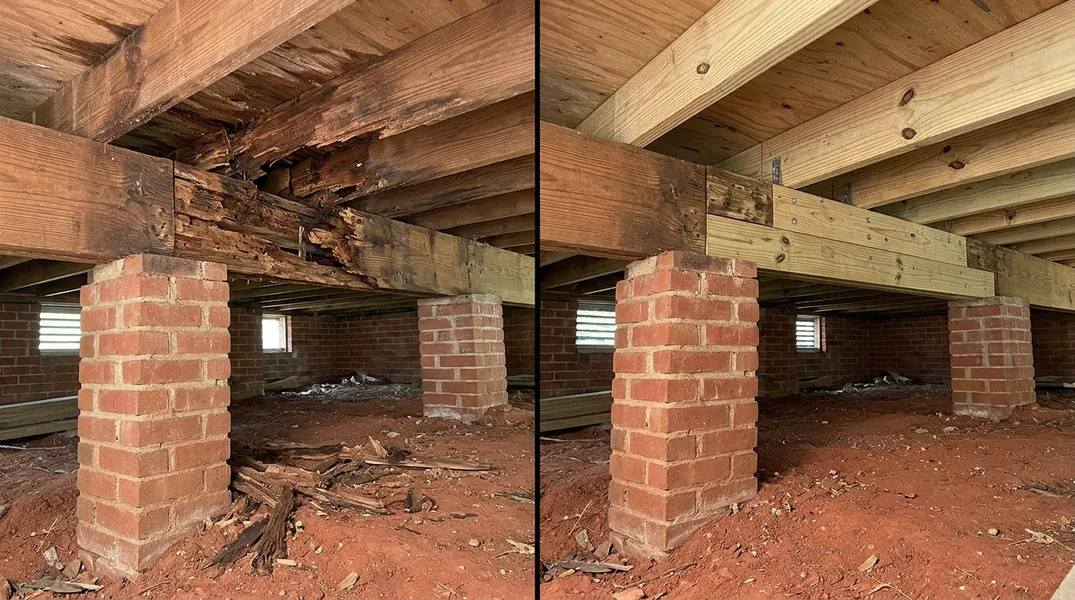
Once carpenter bee damage has led to rot, fascia board rot repair and soffit repair become necessary to prevent further structural damage. The repair process begins with removing the damaged sections of fascia and soffit. Depending on the extent of rot, this may involve replacing just a small section or the entire board run. Our team at Chattanooga Carpentry carefully removes compromised wood, treats the underlying framing to prevent future fungal growth, and installs new materials that match your existing roofline in both appearance and durability.
We often recommend upgrading to materials that are naturally resistant to carpenter bees and rot. Fiber cement boards, for example, are significantly harder than wood and resist insect damage while providing superior moisture protection. Some homeowners choose composite materials or even aluminum fascia, which offer longevity and low maintenance. Whatever material you select, proper installation is critical. Poor ventilation or incorrect flashing can trap moisture and cause new rot to develop. That's why working with experienced carpenters who understand roofline construction is essential. We ensure that water drains properly, ventilation is adequate, and your new fascia and soffit will protect your home for decades to come.
Prevention Strategies to Protect Your Roofline
The best defense against carpenter bee damage is prevention. If your fascia and soffit are still in good condition, several strategies can discourage bees from nesting in your roofline. Painting or staining bare wood makes it less attractive to carpenter bees, since they prefer unpainted surfaces. Sealing all cracks and gaps in your fascia eliminates potential nesting sites. Installing screens or mesh over soffit vents prevents bees from entering those areas. You can also apply bee repellents around vulnerable areas, though these typically need to be reapplied seasonally.
If carpenter bees have already established nesting sites, trapping and removal may be necessary. Some homeowners attempt to fill bee holes with caulk or wood filler, but this only works if the bees have already abandoned the gallery. Filling active nesting holes traps the bees inside and can cause them to tunnel in new directions, potentially creating more damage. Professional pest control services can assess whether bees are actively nesting and recommend the best removal approach. Once bees are gone, we can seal and repair the damage to prevent future infestations and protect your home from rot.
Carpenter Bee Damage Repair Cost in Chattanooga: What to Budget
The cost of repairing carpenter bee damage varies depending on the extent of the infestation and whether rot has already developed. Simple cosmetic repairs to a few bee holes might cost a few hundred dollars, while replacing an entire fascia run with rot damage can range from $1,500 to $5,000 or more. The pricing depends on factors like the length of your roofline, the materials you choose, the difficulty of access, and whether underlying framing has been compromised.
The most important thing to understand is that delaying repairs almost always increases costs. A small carpenter bee hole that costs $200 to repair today might require $2,000 in rot remediation in two years if left untreated. This is why we recommend addressing bee damage as soon as you notice it. When you're ready to understand your specific situation and get an accurate estimate for your home, reach out to Chattanooga Carpentry. Call (423) 395-1695 or visit our website to request a free estimate. We'll inspect your fascia and soffit, explain what we find, and provide transparent pricing for the repairs you need.
Looking for a professional carpentry contractor in Chattanooga? Chattanooga Carpentry responds fast for all your carpentry needs.
Get a Free QuoteOur services: Wood Rot & Dry Rot Repair · Termite Damage Repair · Floor Joist & Subfloor Repair