The Humidity Problem: Why Chattanooga Doors Swell and Stick
Chattanooga sits in a region known for high humidity, especially during spring and summer months. When moisture levels rise, wood absorbs that humidity and expands. Your interior door frames and doors themselves are made of wood, and wood is hygroscopic, meaning it naturally absorbs and releases moisture from the air around it.
This expansion happens gradually, but over time it can cause a door that once closed smoothly to suddenly bind against the frame. The top or sides of the door may rub against the jamb, creating friction that makes the door difficult to open and close. Many homeowners notice this problem worsens on humid days and improves slightly during drier winter months. If you're experiencing a door won't close properly, humidity is often the first culprit to investigate. The good news is that seasonal swelling is usually temporary and reversible, but persistent sticking doors can signal deeper structural issues that require professional attention.
House Settling and Crawlspace Issues: The Hidden Cause of Sticking Doors
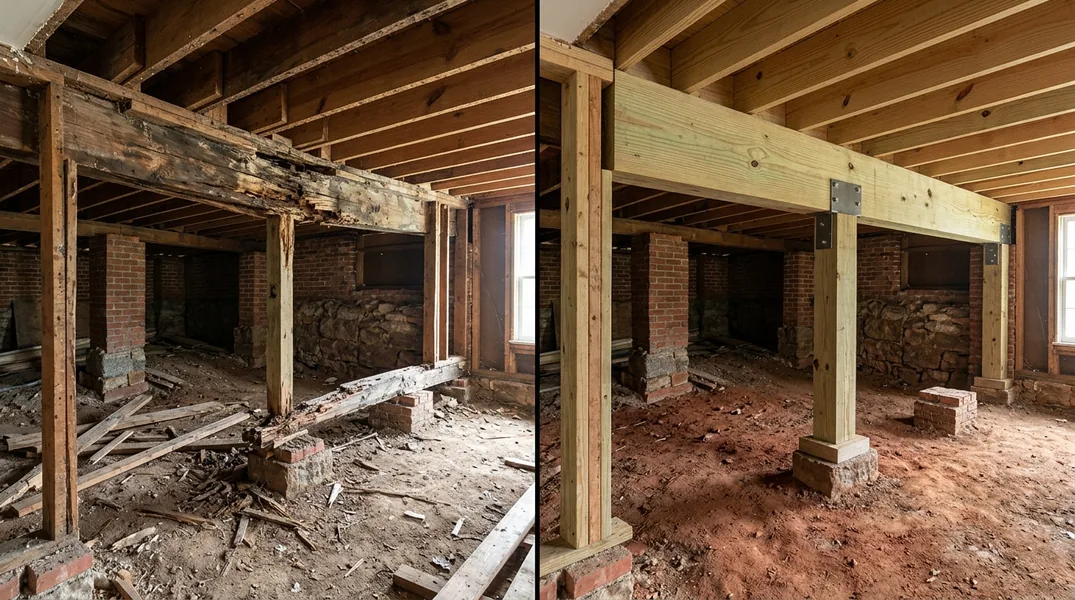
Beyond humidity, the most common reason doors stick in Chattanooga homes is foundation settlement. Most homes in the area are built on crawlspaces rather than slabs, and crawlspaces are vulnerable to moisture, wood rot, and structural movement. When support beams, piers, or floor joists in the crawlspace deteriorate or settle unevenly, the entire house shifts slightly. This shifting can throw door frames out of square, making them bind.
If your home's foundation is settling, you'll notice more than just sticking doors in house. You may see cracks in drywall, uneven floors, or gaps between walls and trim. These are red flags that your crawlspace foundation needs inspection. Unlike seasonal humidity swelling, settlement-related door sticking doesn't improve when the weather changes. It gets progressively worse over months and years. This is why it's crucial to address crawlspace problems early before they compound into expensive structural repairs. A professional inspection of your crawlspace can reveal whether settling piers, rotted beams, or compromised floor joists are causing your doors to jam.
Wood Rot and Termite Damage: When Sticking Doors Signal Serious Decay
Crawlspaces in Chattanooga homes are prime environments for wood rot and termite damage. The combination of moisture, poor ventilation, and organic material creates ideal conditions for both dry rot and subterranean termites. When floor joists, beams, or support posts decay, they lose their structural integrity and can no longer support the house properly. This causes the frame to sag or shift, which directly impacts door alignment.
Wood Rot & Dry Rot Repair and Termite Damage Repair are two of the most important services for homes with sticking door problems rooted in crawlspace decay. If you suspect rot or termites, don't delay. Decaying wood weakens exponentially, and what starts as a sticking door can become a sagging floor or even structural failure. A professional carpenter can inspect your crawlspace, identify the source of decay, and recommend whether you need repairs to floor joists, beams, or support structures.
Diagnosing the Real Cause: Humidity Versus Settling and Structural Issues
So how do you know if your humidity door swelling is seasonal or if your home has a structural problem? The key is observation and timing. If your doors stick only during humid months and operate smoothly in winter, you're likely dealing with normal seasonal wood movement. However, if doors stick year-round or progressively worsen over time, structural issues are the culprit.
Another diagnostic clue is whether the problem affects just one door or multiple doors throughout the house. A single sticking door might be a humidity issue or a door-specific problem. Multiple doors sticking, especially on the same floor or in different rooms, suggests house settling or Floor Joist & Subfloor Repair needs. Look also for other signs of settling: sloping floors, cracks in drywall, windows that are difficult to open, or visible gaps between trim and walls. If you notice any of these alongside sticking doors, your crawlspace likely needs professional evaluation. Contact Chattanooga Carpentry at (423) 395-1695 to schedule a free estimate and get a professional diagnosis of what's causing your door problems.
Quick Fixes for Humidity-Related Door Sticking
If you've determined that humidity is your main issue, there are several steps you can take to reduce seasonal door swelling. First, improve ventilation in your home. Use exhaust fans in bathrooms and kitchens to remove moisture-laden air, and crack windows on dry days to allow air circulation. A whole-house dehumidifier can also help during peak humidity months, bringing indoor moisture levels down to a more stable range.
Second, consider applying a moisture barrier finish to your doors and frames. A good polyurethane or lacquer coating seals the wood and slows moisture absorption. This won't eliminate swelling entirely, but it can reduce it significantly. Third, you can have a carpenter plane or sand the top or sides of a door that binds, creating a small clearance gap. This is a temporary solution that works well for seasonal swelling but won't address underlying structural problems. If door sticking persists despite these efforts, or if you suspect structural issues, professional help is necessary.
When to Call a Professional: Structural Repairs and Crawlspace Solutions
If your sticking doors are caused by house settling, wood rot, or compromised crawlspace support, DIY fixes won't work. You need professional structural assessment and repair. Chattanooga Carpentry specializes in identifying and fixing the root causes of door problems, including crawlspace evaluation, Beam Replacement & Load-Bearing Wall Removal, and comprehensive foundation repairs.
A professional inspection typically involves crawling under your home to assess the condition of piers, beams, joists, and rim boards. We look for signs of wood rot, termite damage, moisture intrusion, and settlement. Once we identify the problem, we recommend the best solution, whether that's reinforcing existing beams, replacing rotted joists, installing additional support piers, or addressing moisture and ventilation issues. The cost of these repairs varies depending on the extent of damage, so we always provide transparent pricing upfront. Don't let sticking doors become a symptom of a larger structural problem. Call Chattanooga Carpentry today at (423) 395-1695 or request a free estimate to get your home evaluated by a qualified professional.
Looking for a professional carpentry contractor in Chattanooga? Chattanooga Carpentry responds fast for all your carpentry needs.
Get a Free QuoteOur services: Wood Rot & Dry Rot Repair · Termite Damage Repair · Floor Joist & Subfloor Repair